
How to Spot Manipulative Language in Politics and Media: The Hidden Power of Words
Why Language Is the Ultimate Mind Hack

We obsess over what people say, but the real magic happens in how they say it. A single word can trigger emotion, sidestep logic, and reshape your entire worldview—all without changing a single fact.
This isn’t about catching lies. It’s about understanding truth-shaped persuasion: the art of using accurate information to steer your thinking in a predetermined direction.
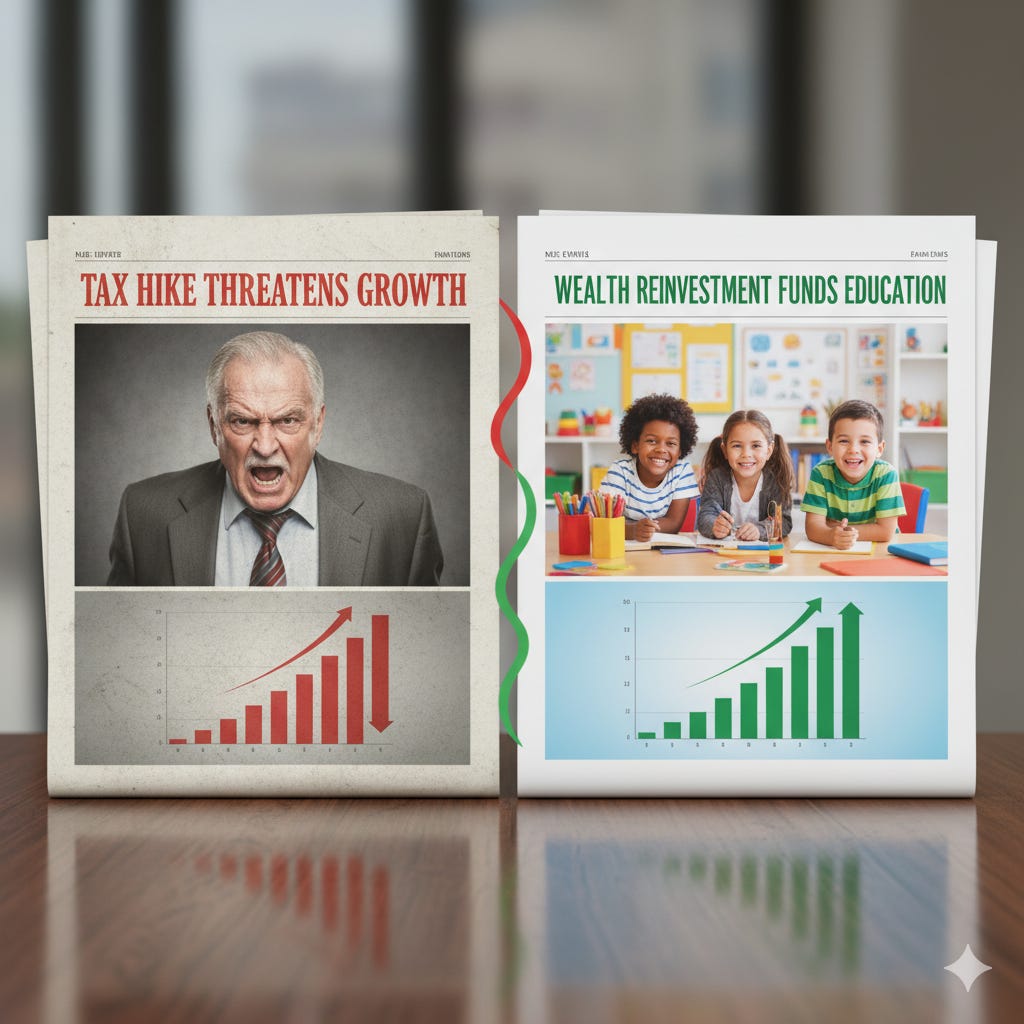
1. Framing: Making the Same Fact Feel Completely Different
Framing transforms how you perceive reality by changing the angle, not the truth.
Consider this:
“This policy increases taxes on the wealthy by 5%.”
“This policy redirects 5% of billionaire profits to fund public schools.”
Same policy. Wildly different emotional response.
Why it works: Framing activates your core values like fairness, freedom, security without altering a single data point. One frame feels like justice. The other feels like theft.
2. Loaded Words: Language That Comes Pre-Judged
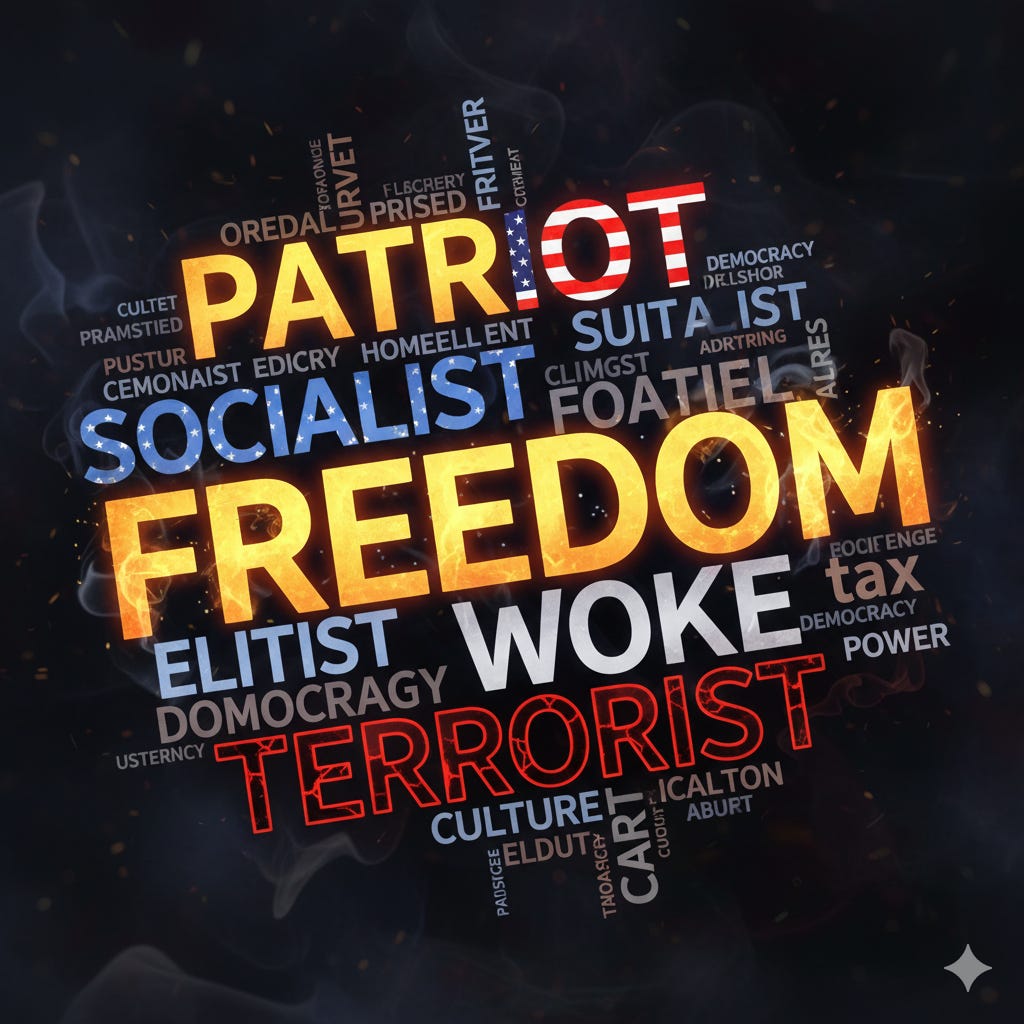
Loaded words arrive carrying emotional baggage—judgment, fear, or admiration baked right in.
Watch the difference:
“Radical reform” vs. “Bold reform”
“Illegal alien” vs. “Undocumented immigrant”
“Freedom fighter” vs. “Militant”
Each pair describes similar actions. The word choice tells you how to feel.
Spot it by asking: Would I react differently if a neutral word replaced this one? Try it and notice the shift.
3. Euphemisms: The Soft Focus on Hard Realities
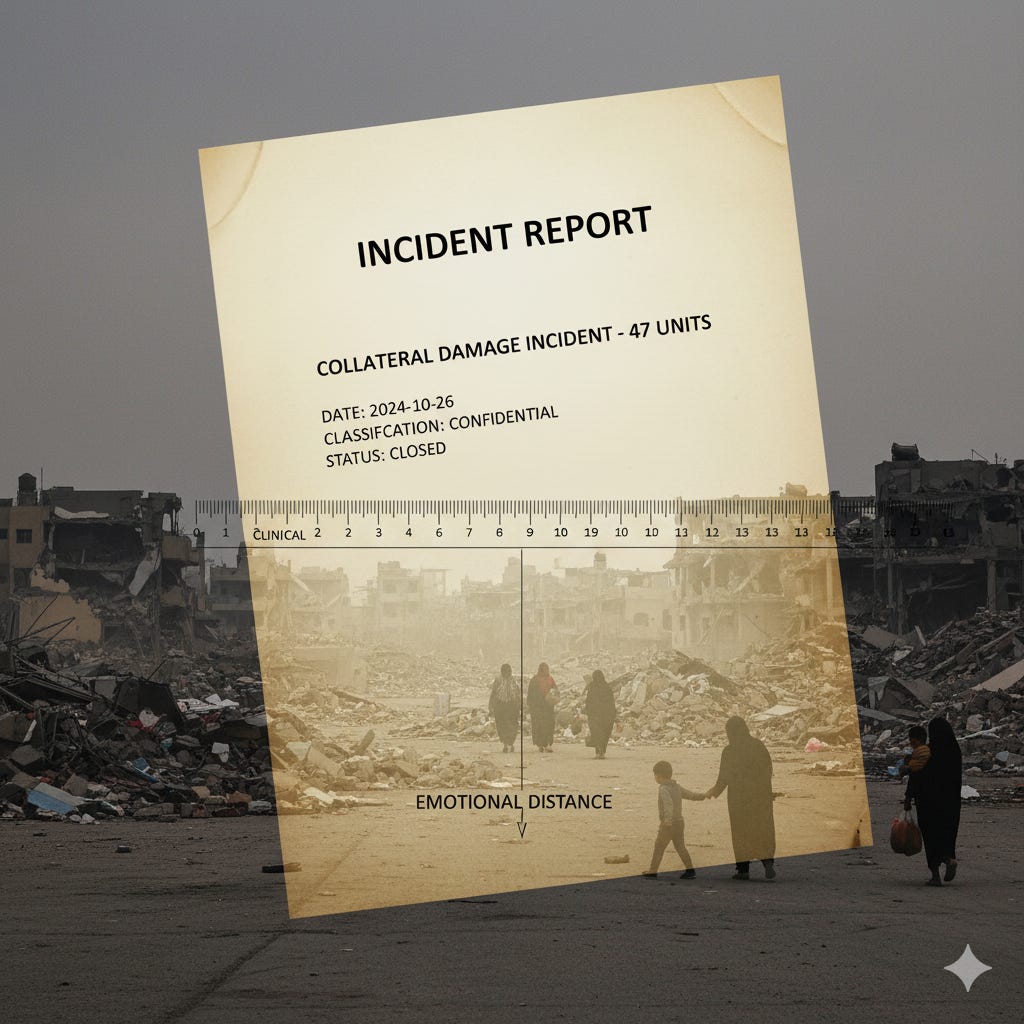
Euphemisms wrap unpleasant truths in comfortable language, making the unbearable sound acceptable.
Real-world translations:
“Collateral damage” → Civilian deaths in warfare
“Downsizing” → Mass layoffs
“Enhanced interrogation” → Torture
“Negative patient outcome” → Death
Why it matters: Euphemisms don’t conceal facts—they conceal feelings. They allow us to discuss brutal realities calmly, which can numb our moral compass.
4. Machiavellian Language: When Words Serve Power Over Truth
One of our readers asked: What does “Machiavellian” actually mean in modern English?
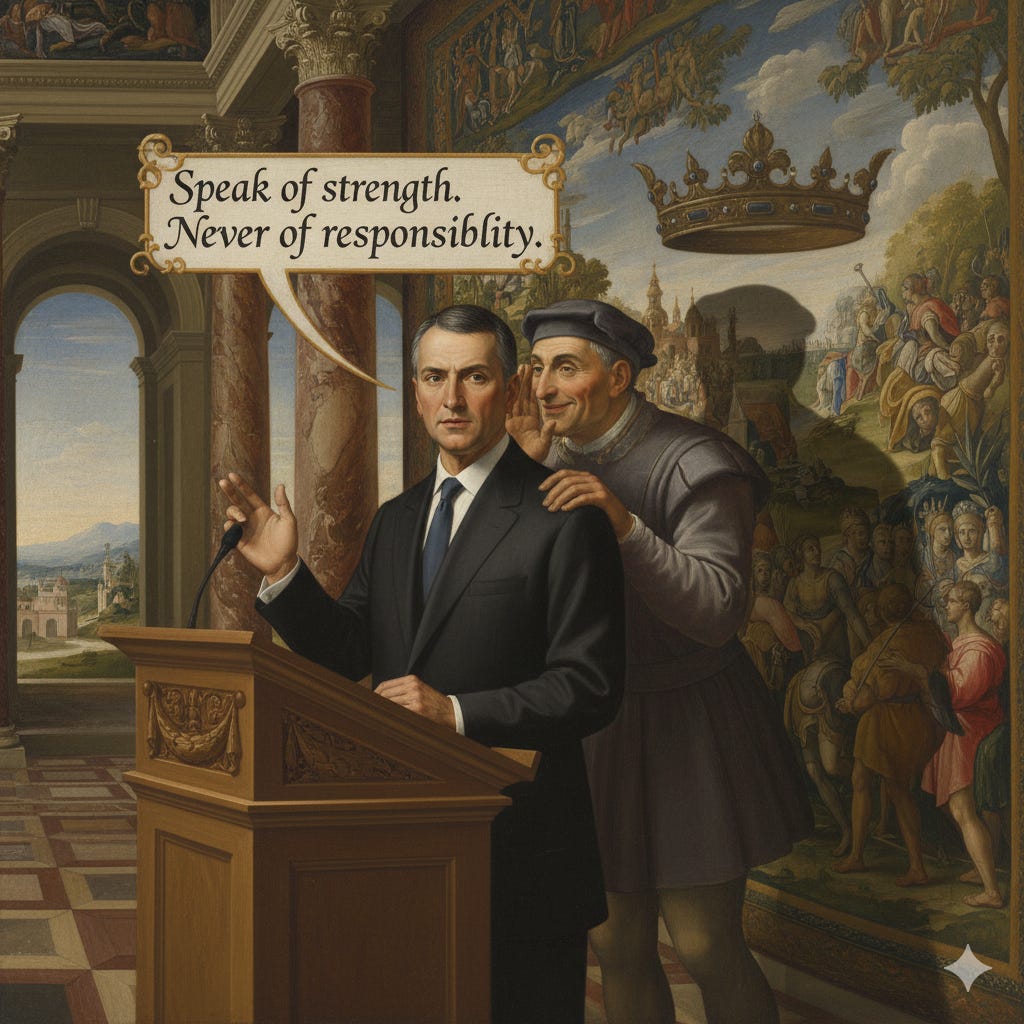
Niccolò Machiavelli’s The Prince argued that rulers should embrace deception when it serves power. Today, “Machiavellian” describes cunning, manipulative behavior—especially in politics.
Modern Machiavellian tactics:
Distraction: “While we fix inflation, they’re obsessed with pronouns.”
Diversion: “Don’t blame me—blame the previous administration.”
False unity: “We’re all in this together” (while policies benefit select groups).
Spot it by asking: Does this language sound commanding or wise while avoiding all accountability?
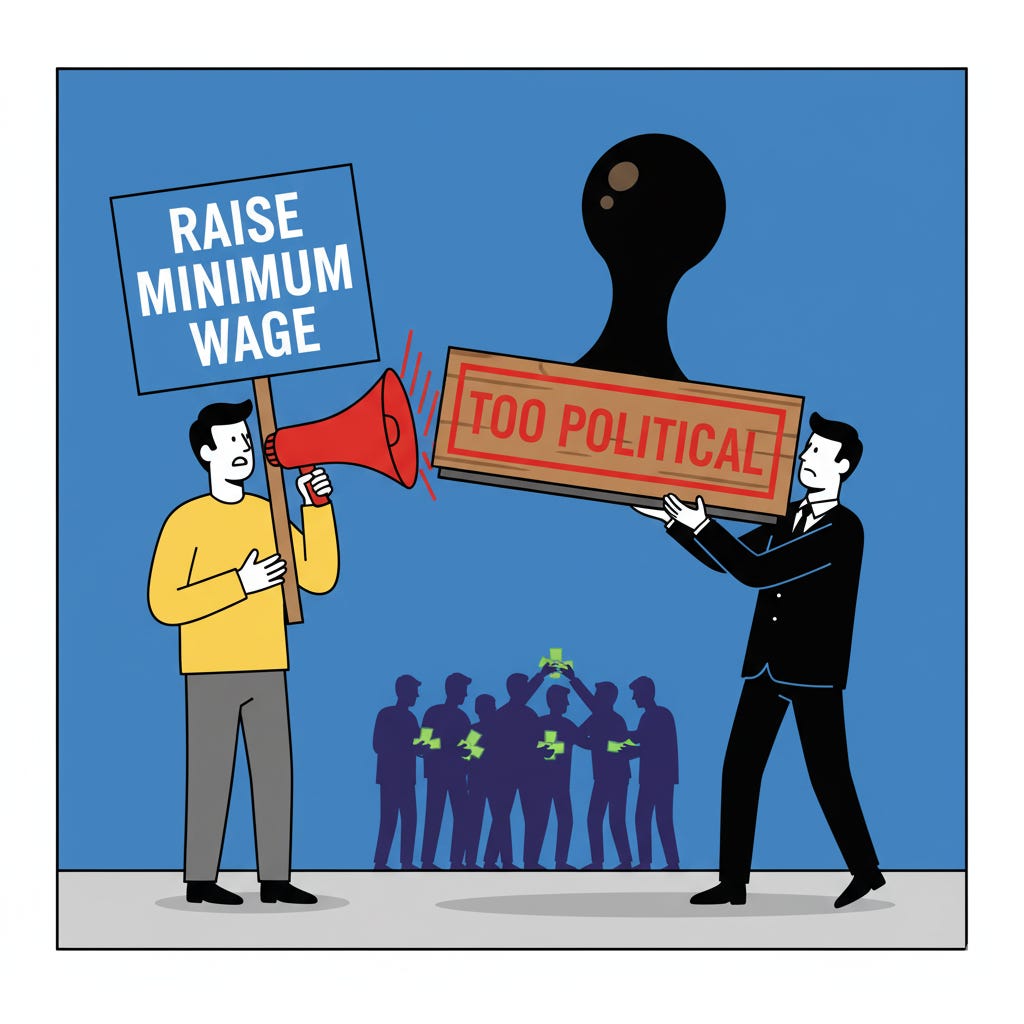
5. The “Political” Label: A Convenient Conversation Killer
Declaring something “too political” often serves as a strategic silence button.
Common dismissals:
“Climate change is too political to discuss in schools.”
“That’s just political correctness.”
“Let’s not bring politics into this.”
Here’s the truth: Everything that affects people is political—taxes, healthcare, education, AI regulation, water quality.
Critical thinking move: When someone declares “this is political,” ask yourself: Who benefits from removing this topic from public discussion?
3 Ways to Defend Your Mind
1. Rewrite the Headline
Take any news headline and rephrase it using opposite framing. Notice how the same facts suddenly feel different? That’s intentional design, not neutral reporting.
2. Play the Neutral Word Game
Replace emotionally loaded words with neutral alternatives. If the argument collapses, it was built on emotional manipulation, not logic.
3. Ask: Who Gains from This Language?
Language choices aren’t accidental. They’re strategic. Follow the incentive trail, and you’ll discover who benefits from this particular framing.
Your Turn: Become a Language Detective
I want to hear from you:
Share an example of manipulative language you’ve spotted recently—news articles, advertisements, social media posts, WhatsApp forwards.
What phrase made you pause? What was it really saying beneath the surface?
Your submissions could be featured in an upcoming post: “Reader Exposés: The Sneakiest Phrases of 2025.”
Why This Matters
Critical thinking isn’t just about catching logical fallacies. It’s about seeing through the invisible architecture of persuasion—the words, tones, and frames that shape belief without detection.
When you master this skill, you stop being a passive information consumer.
You become a decoder of power.